Originality Over Popularity
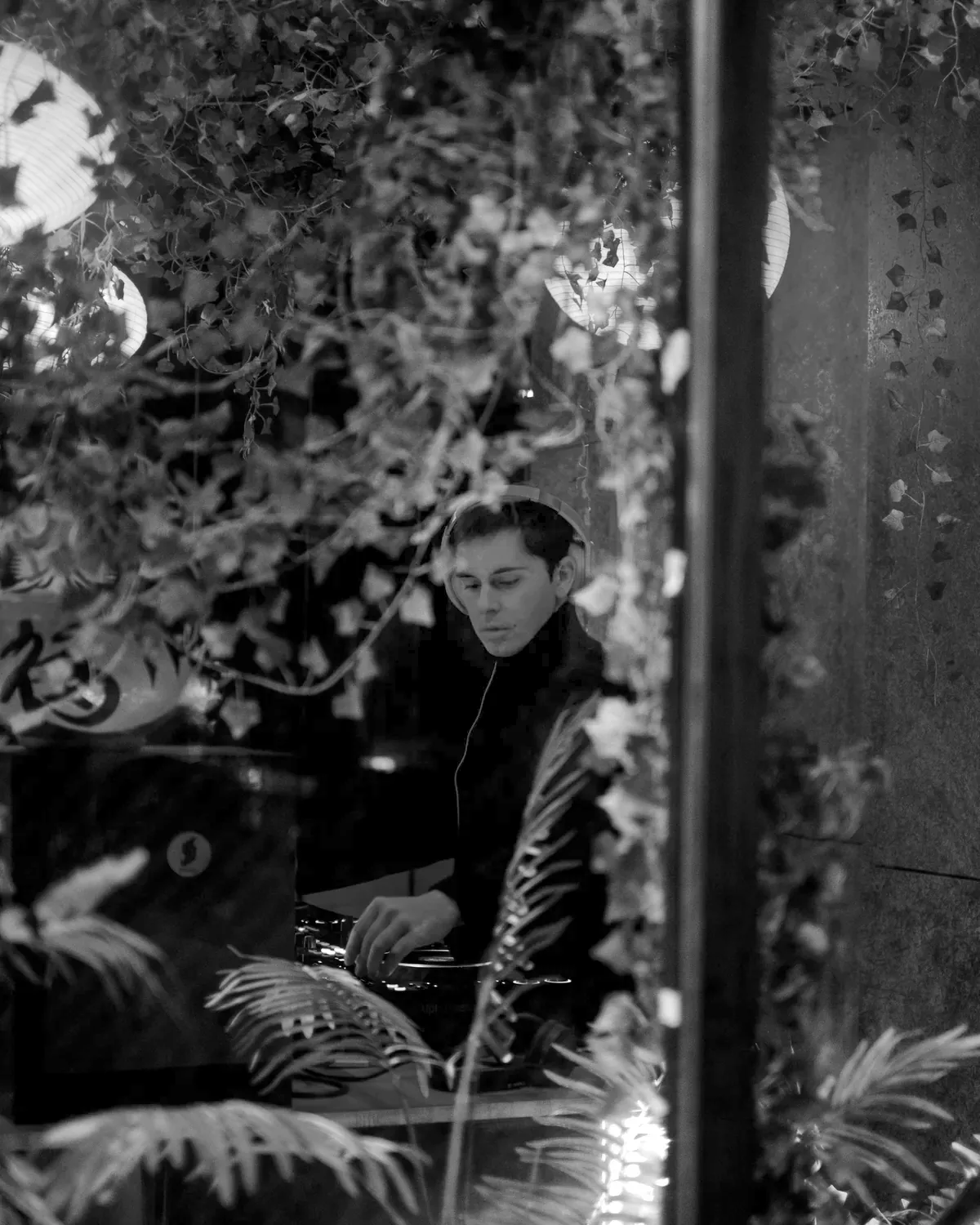
Each day, I spend 80% of my time listening and curating sounds in search of the ones that move me - those are the ones I seek to share with my audience.
In my personal worldview, musical artists divide into 2 categories:
- Artists who primarily want to be popular and famous
- Artists who primarily want to create original art
Surely, these categories intersect, and artists evolve their ambitions. But I use this distinction to explain what I focus on in curating music:
- Artists who seek popularity tend to adjust their music to trends, adopt what styles are already popular with crowds, and bend their creation to the template of the genre in which they operate.
- Artists who pursue artistry through their music strive to create something that doesn't already exist. It may be called musical innovation, genre defiance, or chase of originality.
I'll discuss 2 well-known artists that I love:
- It's no surprise that FISHER made 1 song in his musical career, and then made 80 more versions of that same song. It works. It has a predictable impact on the crowd (some would say it has Crowd Control), and festival goers enjoy it. This is by all means a commercial success, and I enjoy occasionally hearing FISHER. But his project made zero artistic contribution to music as an artform, neutral contribution to his genre at best.
- On the other side of this comparison, while remaining a niche fascination, the Red Axes innovated entirely new sounds in what's best described as slow indie techno. Their style is difficult to categorize precisely because it refuses templates, it seeks originality and delivers rare unpredictability to electronic music. The Red Axes' contribution to electronic music is hard to overstate, along with their clear influence on the sounds of rising Israeli compatriots Adam Ten, Yamagucci, Mita Gami, Rafael, and Dor Danino.
I perform both types of artists per the occasion, but when left alone to my own devices, or when given an opportunity to shape the occasion, my preference is clear. I admire and devote my time to discovering and curating artists who innovate, strive for originality, and push the envelope of their genres.
Through the KIRA Collection, I predominantly highlight examples of category 2 with a couple of standout songs from category 1.
Seeking and discovering the non-popular acts like that is also where the DJ (curator) stands to add the most value to their audience. By uncovering sounds the listeners didn't know they loved. If the DJ simply plays the top hits radio playlist, what value do they bring that Spotify's autoplay doesn't?